
Why Home Staging Works: A Centennial, CO

Posted on February 24th, 2026
When a home first hits the market vacant, buyers aren’t just evaluating square footage and finishes — they’re trying to imagine their future life inside the space. And when that vision doesn’t come easily, hesitation creeps in. That’s exactly what happened with a recent listing in Centennial, CO.
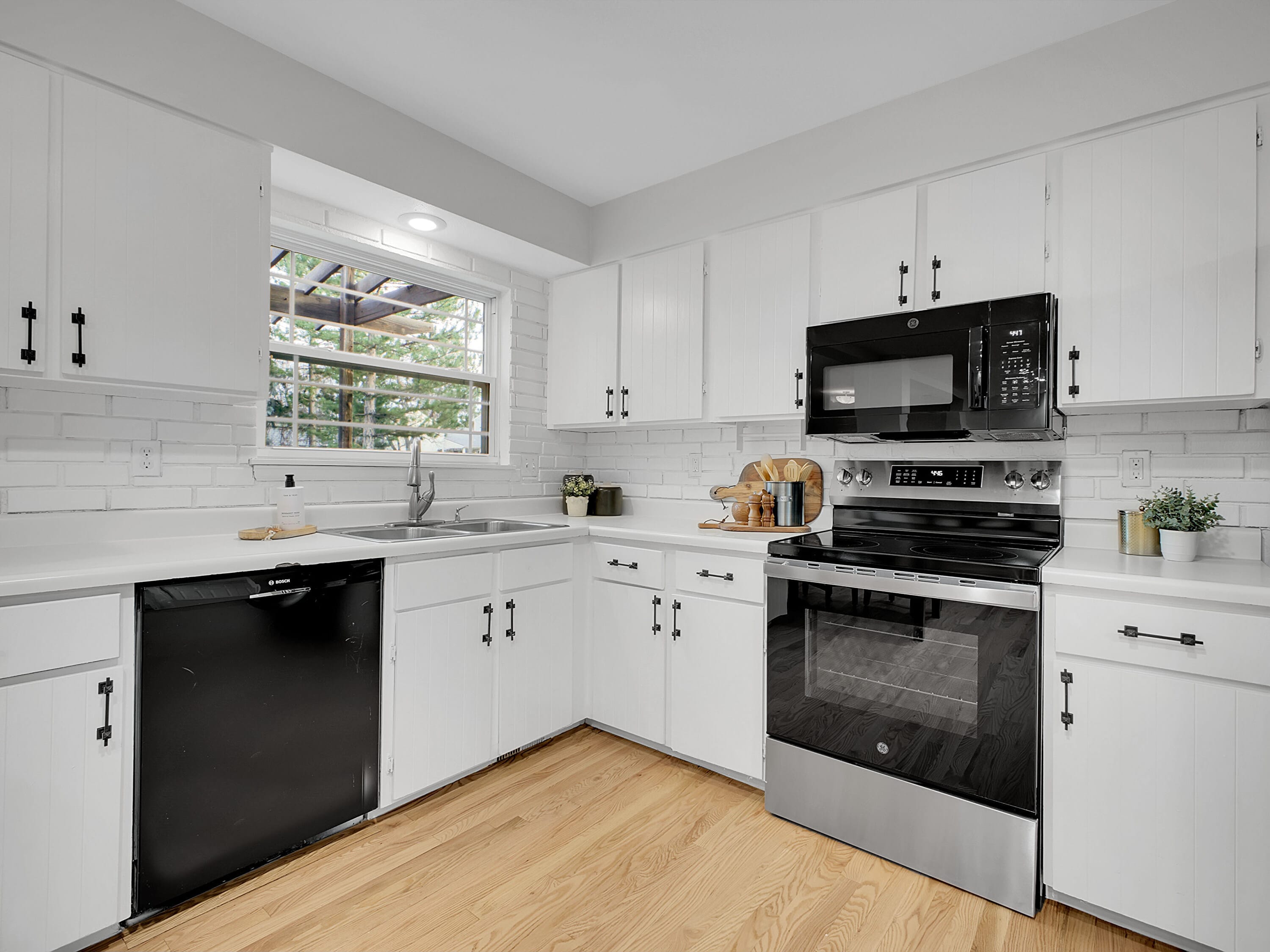
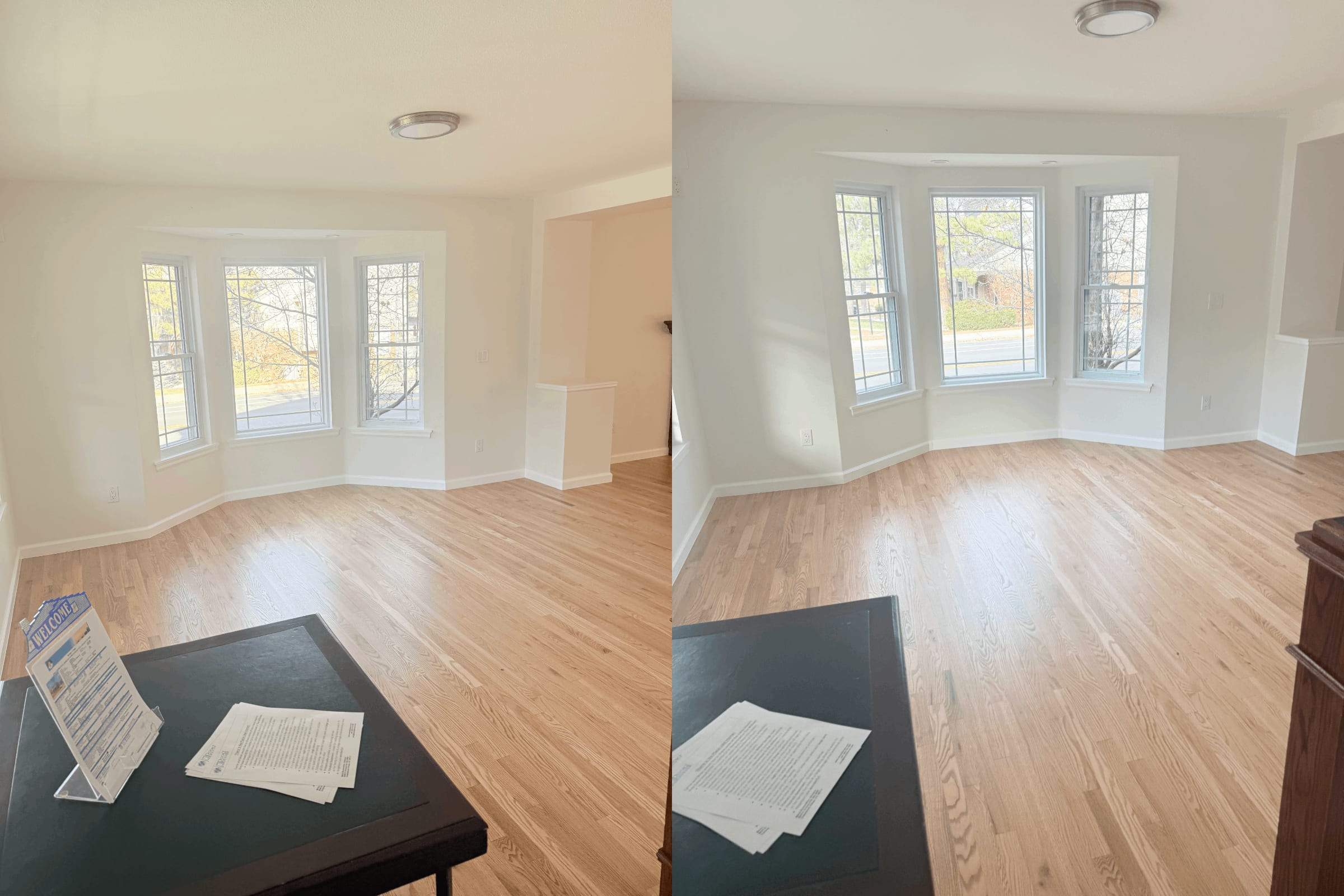
The property launched vacant on 11/16. Like many empty homes, it showed every design challenge more loudly. Dated finishes felt heavier, rooms lacked definition, and buyers struggled to understand how the layout functioned. The result? Showings, but no offers.
Then came the turning point.
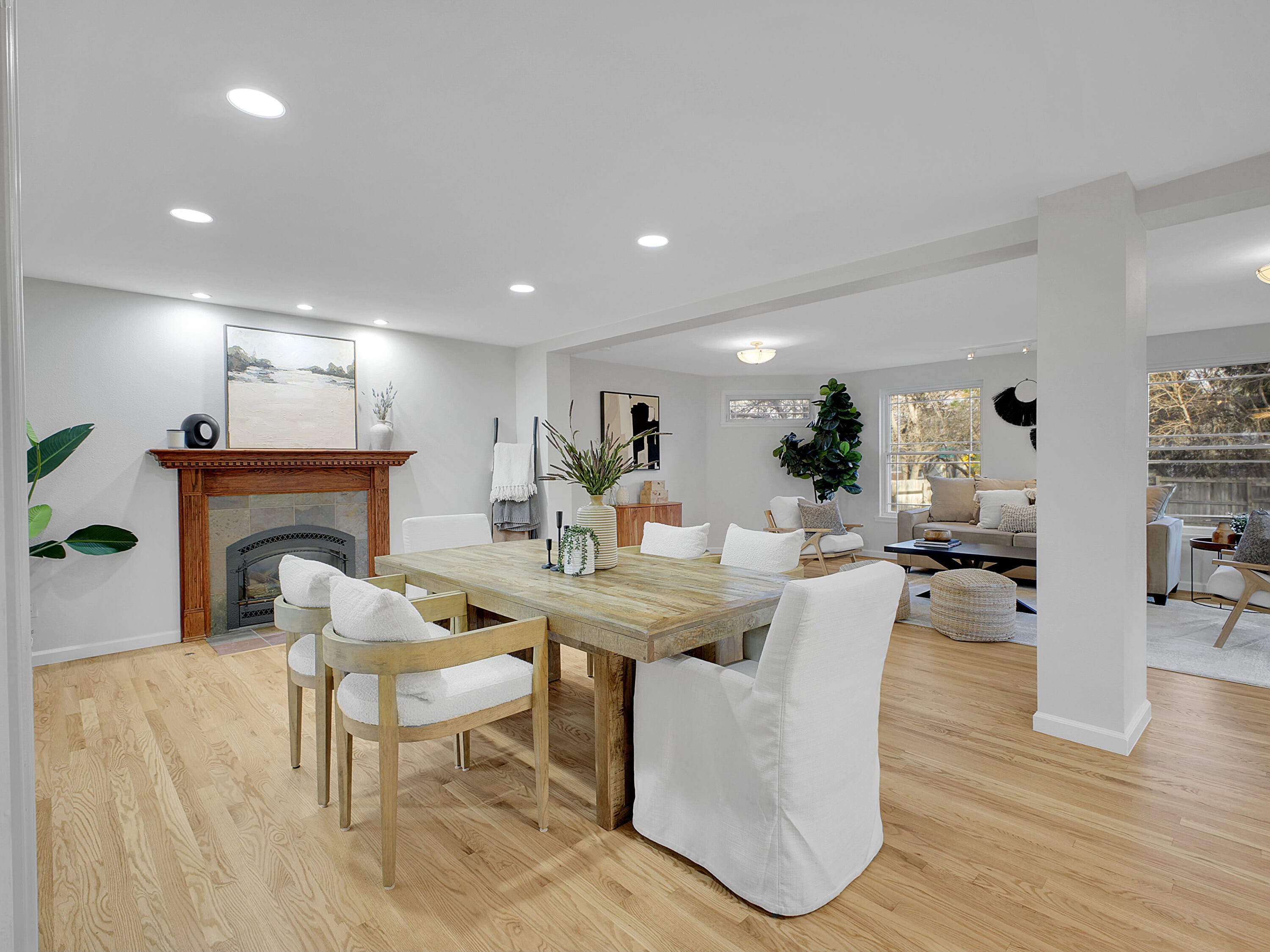
We staged the home on 12/22.
Within just 12 days, the property received a full-price offer.
But the most telling part of this story isn’t the timeline — it’s buyer psychology.
The Moment Everything Changed
The listing agent later shared feedback that perfectly captures why staging works:
“The buyer husband looked at the property online before we had it staged. He told his wife he couldn’t see how they would make that property work for them. So they didn’t even look at it. Once it was staged and went back out on the MLS, he saw it and they scheduled their appointment. He point-blank told the buyer’s agent that he would’ve never looked at it if it wasn’t for the staging.”
This is something we see constantly across Centennial and the Denver Metro market.
Vacant homes don’t just feel empty — they feel uncertain.
Undefined rooms create doubt.
Dated finishes feel more prominent.
Layouts feel confusing.
And doubt kills offers.
Why Vacant Homes Often Struggle
An empty home removes critical visual cues that help buyers emotionally connect to a space:
• No scale reference
• No focal points
• No lifestyle context
• No flow guidance
Instead of imagining possibilities, buyers default to calculating problems:
“How much will this cost to update?”
“Why is this room shaped like this?”
“Can my furniture even fit here?”
Once buyers start mentally negotiating renovation budgets, price negotiations usually follow.
What Strategic Staging Actually Does
Good staging is not decoration.
It is perception management.
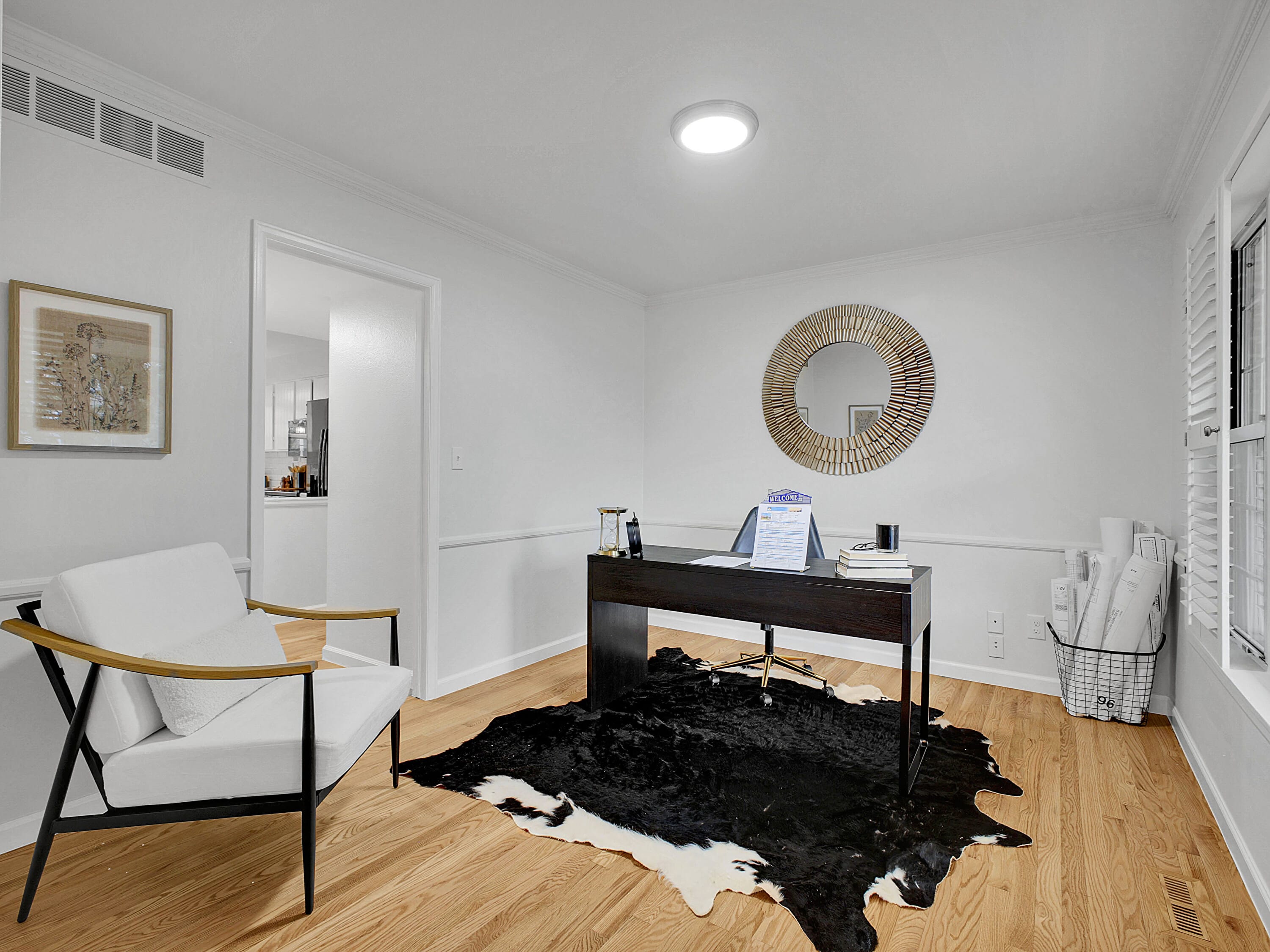
It helps buyers instantly understand:
• How rooms function
• How spaces flow
• How layouts make sense
• How the home supports their lifestyle
Staging softens visual distractions, balances heavy finishes, and directs attention toward strengths rather than limitations.
Most importantly, it removes uncertainty.
The Homeowner’s Perspective
After the sale, the homeowner shared this review:
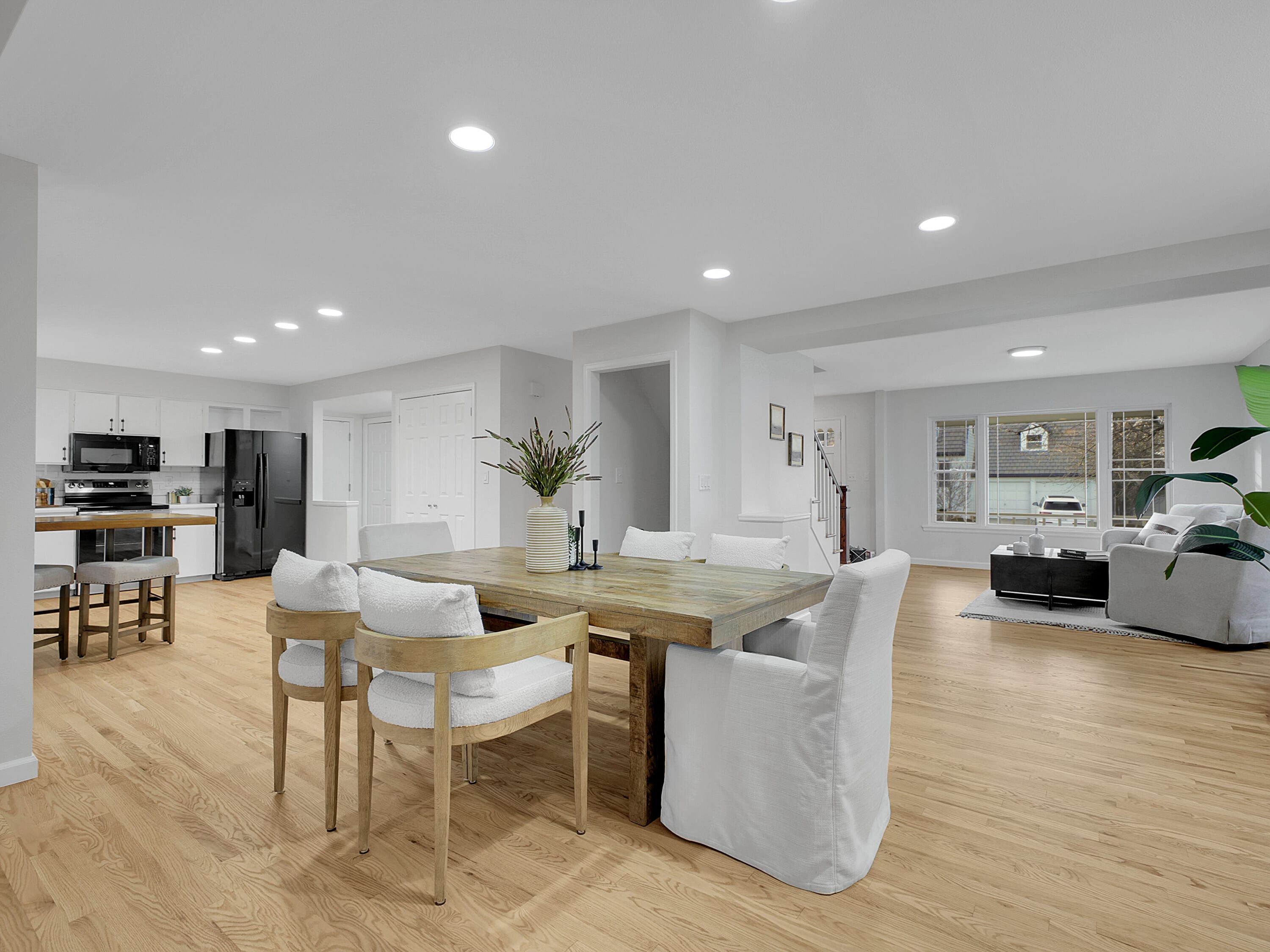
“Stacey was very easy to work with, and she and her team did an amazing job. We went a couple months without staging — with no offers. The couple who purchased our house returned to revisit it AFTER having seen photos of it staged. And then made an offer. Highly recommend!”
This detail is key.
Buyers didn’t just notice staging.
They came back because of it.
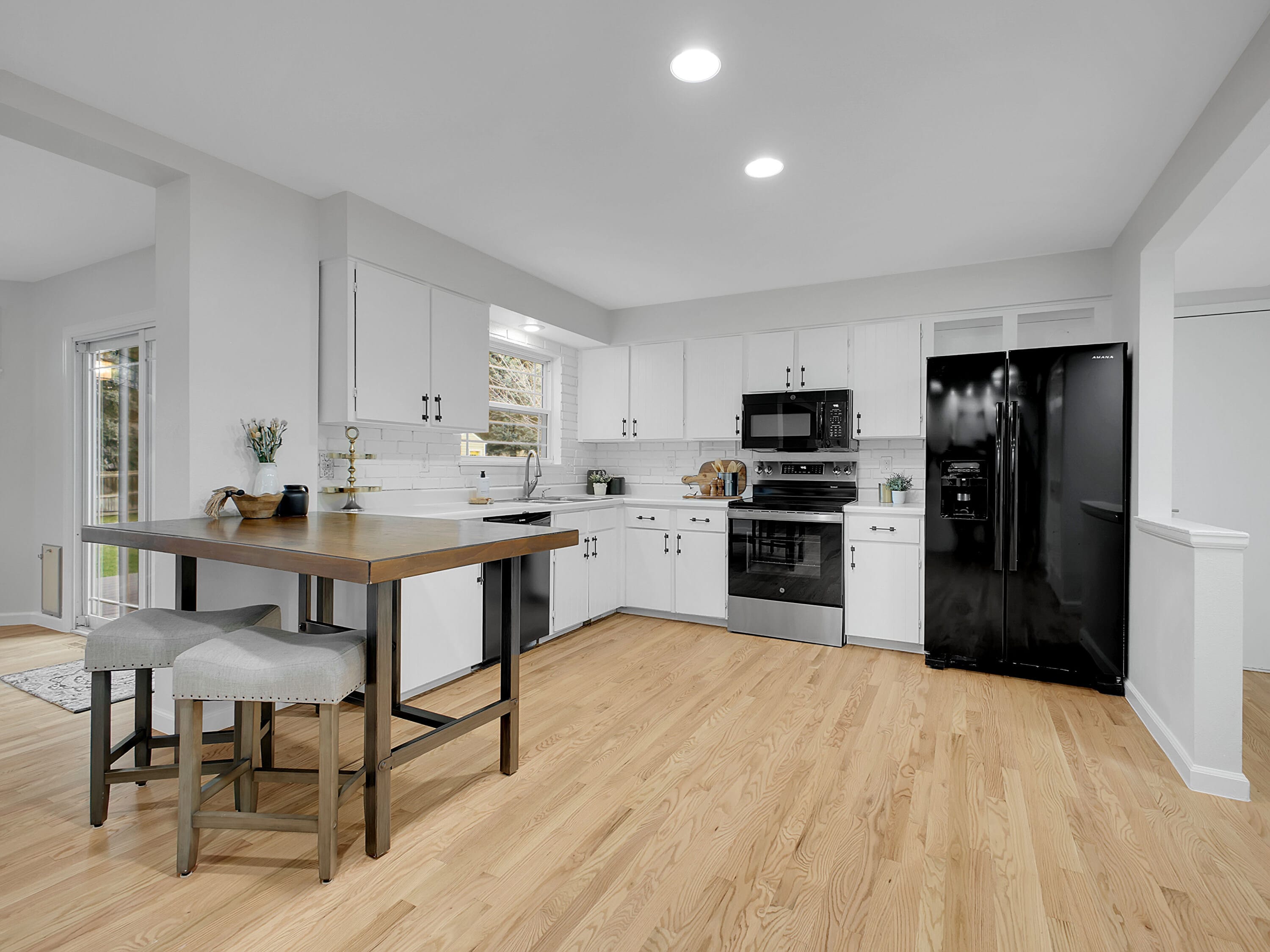
The Centennial, CO Market Reality
Centennial buyers are savvy. They scroll through listings quickly. First impressions are often formed online, not during showings. If photos fail to create an emotional connection, many buyers simply move on — sometimes without ever stepping inside.
Staging directly influences:
• Click-through rates
• Showing activity
• Buyer perception of value
• Offer strength
In competitive suburban markets like Centennial, Littleton, Parker, and Highlands Ranch, that perception shift often determines whether a home will linger or sell.
The Bigger Takeaway
This home did not change structurally.
No renovations.
No remodel.
No upgrades.
Only the presentation changed.
Yet buyer interest, perceived value, and market response shifted dramatically.
That’s the power of staging.
If you’re preparing to sell a vacant or dated home in Centennial, CO or surrounding areas, staging isn’t about making a home look pretty — it’s about making buyers feel confident.
And confident buyers write offers.
If you’d like an honest assessment of whether staging would move the needle for your listing, Davis Staging & Design is always happy to take a look.